A Comprehensive Guide To Creating Sensory Inclusive Workspaces

Updated: Jul 31

Introduction
The modern workplace has evolved significantly over the past decade. Organisations have embraced flexible working arrangements, diversity initiatives, and employee wellbeing programs. Yet one crucial aspect of inclusion often remains overlooked: sensory inclusion.
For millions of employees, the workplace can be an overwhelming environment. Bright fluorescent lighting, constant background noise, crowded open-plan offices, strong scents, and frequent interruptions can create barriers that impact focus, productivity, and well-being. These challenges are particularly common among neurodivergent individuals, including people with autism, ADHD, dyslexia, dyspraxia, and sensory processing differences.
Creating a sensory-inclusive workspace is not simply about accommodating a small group of employees. It is about designing environments that allow everyone to perform at their best. Research suggests that approximately 15% to 20% of the global population is neurodivergent, meaning a significant portion of the workforce may experience the workplace differently from their peers.
Organisations that recognise these differences and proactively create sensory-friendly environments often see benefits that extend beyond accessibility. Improved concentration, higher employee satisfaction, reduced stress, stronger retention, and increased productivity can all result from thoughtful workplace design.
This guide explores what sensory inclusion means, why it matters, and how employers can create workplaces where every employee has the opportunity to thrive.
Understanding Sensory Inclusion

Sensory inclusion refers to designing environments that accommodate different sensory needs and preferences. Every individual processes sensory information differently. Some people are highly sensitive to sound, light, temperature, smells, or visual stimuli, while others may seek additional sensory input to remain focused and engaged.
A sensory-inclusive workspace acknowledges these differences and offers flexibility rather than expecting everyone to function effectively under identical conditions.
Common sensory challenges in workplaces include:
|
For employees with sensory sensitivities, these factors can contribute to cognitive overload, fatigue, anxiety, and reduced productivity.
Importantly, sensory inclusion benefits far more than neurodivergent employees. Introverts, highly sensitive individuals, employees recovering from illness, older workers, and those experiencing stress can all benefit from more adaptable environments.
Why Sensory Inclusive Workspaces Matter
The business case for sensory inclusion is becoming increasingly clear.
Research from Deloitte highlights that teams including neurodivergent professionals can be up to 30% more productive in certain roles when organisations provide the right support and environment. |
At the same time, workplace environments remain a significant barrier for many employees. Studies and workplace reports consistently identify sensory overload as a common reason why neurodivergent individuals struggle with engagement, job satisfaction, and long-term retention.
When sensory needs are ignored, organisations often experience:
Increased absenteeism
Higher turnover rates
Lower employee engagement
Reduced productivity
Greater workplace stress
Difficulty attracting diverse talent
Conversely, when sensory inclusion becomes part of workplace strategy, organisations unlock talent that might otherwise be overlooked.
As businesses compete for skilled workers, creating environments that support different thinking and processing styles is no longer simply a diversity initiative—it is a competitive advantage.
The Link Between Neurodiversity and Sensory Experiences
Neurodiversity refers to the natural variation in how human brains process information and interact with the world.
Conditions commonly associated with neurodiversity include:
|
Many neurodivergent individuals experience heightened or reduced sensitivity to sensory input.
For example:
An autistic employee may find background conversations distracting enough to significantly affect concentration.
An employee with ADHD may struggle to filter competing sounds in an open-plan office.
Someone with sensory processing differences may experience discomfort from
fluorescent lighting that others barely notice.
These experiences are not preferences or personal quirks. They reflect genuine neurological differences in sensory processing.
Common Sensory Barriers in the Workplace

Noise Pollution |
Noise is often cited as one of the biggest workplace distractions.
Open-plan offices, while designed to encourage collaboration, frequently expose employees to continuous interruptions. Conversations, ringing phones, keyboard sounds, office equipment, and movement can make concentration difficult.
Research consistently shows that excessive workplace noise negatively affects productivity, memory, and cognitive performance.
For sensory-sensitive employees, the impact can be even more significant.
Lighting Issues |
Many offices rely heavily on fluorescent lighting.
Although cost-effective, fluorescent lights can flicker imperceptibly, creating discomfort, headaches, and eye strain for some individuals.
Bright overhead lighting can also contribute to fatigue and sensory overload.
Natural lighting, adjustable lamps, and alternative lighting options often create more comfortable working environments.
Visual Overstimulation |
Busy workspaces filled with movement, bright colours, cluttered desks, and crowded walls can create cognitive overload.
Visual distractions compete for attention and increase mental fatigue throughout the day.
A more organised and intentional workspace design can significantly improve focus and comfort.
Strong Smells |
Fragrances, cleaning products, air fresheners, and even certain foods can trigger discomfort, headaches, or sensory distress.
Lack of Privacy |
Employees often need varying levels of stimulation depending on the task at hand.
Open environments without quiet spaces can make it difficult to focus, regulate stress, or recover from sensory overload.
Providing privacy options gives employees greater control over their work experience.
Key Principles of Sensory Inclusive Workplace Design
Creating a sensory-inclusive workspace does not require a complete office redesign. Small, thoughtful changes can make a significant difference.
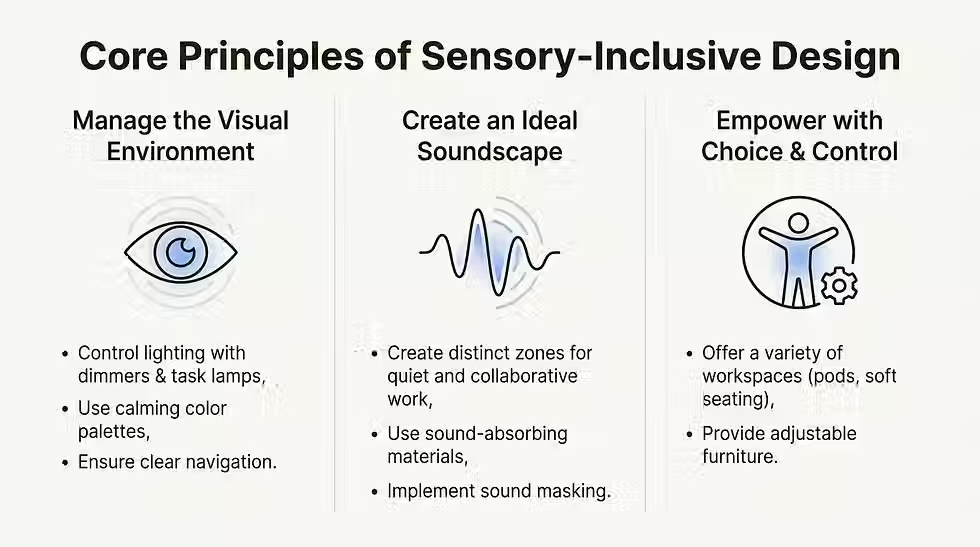
Prioritise Choice and Flexibility
The most effective sensory-inclusive environments provide options.
Rather than assuming one workspace configuration works for everyone, organisations should offer multiple work settings, such as:
Quiet zones
Collaborative spaces
Private rooms
Hybrid work opportunities
Flexible seating arrangements
Choice empowers employees to select environments that support their productivity and well-being.
Reduce Unnecessary Sensory Input
Organisations should identify and minimize avoidable sensory stressors.
This may involve:
Lowering background noise
Replacing harsh lighting
Reducing visual clutter
Managing strong scents
Improving acoustic design
The goal is not to eliminate stimulation entirely but to create balanced environments.
Support Individual Needs
No two employees experience sensory input in exactly the same way.
Managers should avoid assumptions and instead engage in open conversations about workplace preferences and accommodations.
Simple adjustments can often have a substantial impact.
Practical Strategies for Creating Sensory Inclusive Workspaces
Create Quiet Spaces
Quiet spaces are valuable for all employees, not just those with diagnosed conditions.
Dedicated quiet rooms offer employees a place to focus, recharge, or regulate sensory input. These spaces can include:
|
Offer Noise Management Solutions
These solutions help employees maintain concentration and reduce sensory fatigue.
Employers can reduce noise-related challenges by providing:
|
Improve Lighting Design
Allowing employees to control their lighting environment often leads to improved well-being and focus.
Lighting adjustments can significantly enhance comfort. Consider:
|
Enable Flexible Working
Remote and hybrid work arrangements provide greater control over sensory environments.
Many employees perform better when they can customise their surroundings. Research on neurodiverse workers suggests that flexible digital work environments can reduce sensory stress and improve workplace experiences. |
Develop Sensory-Friendly Meeting Practices
Meetings can be particularly challenging for employees with sensory sensitivities.
Organisations can support inclusion by:
These practices improve accessibility and communication for everyone. |
Introduce Fragrance-Aware Policies
Strong scents can create barriers for employees with sensory sensitivities.
A fragrance-aware workplace may encourage:
Such policies can improve comfort without imposing major restrictions. |
The Role of Leadership
Creating a supportive culture begins at the top.
Leadership commitment is essential for meaningful sensory inclusion.
When leaders actively support inclusive practices, employees are more likely to feel comfortable discussing their needs and requesting accommodations.
Leaders who champion sensory inclusion send a clear message that employee wellbeing and diversity are organisational priorities.
MANAGERS SHOULD RECEIVE TRAINING ON: |
|
|
|
|
|
Building a Culture of Psychological Safety
Physical changes alone are not enough. Employees must also feel safe expressing their needs without fear of judgment.
Psychological safety allows team members to:
Request accommodations
Discuss challenges openly
Share feedback
Contribute ideas confidently
A culture of acceptance helps normalise workplace differences rather than treating them as exceptions.
Organisations should encourage conversations about different working styles and emphasise that accommodations are tools for success, not a form of special treatment.
Measuring Success
Like any workplace initiative, sensory inclusion should be evaluated regularly.
Organisations can measure progress through:
|
Data helps identify what is working and where additional improvements may be needed.
The most successful organisations treat sensory inclusion as an ongoing process rather than a one-time project.
The Future of Work Is Sensory Inclusive
Workplaces are becoming more diverse than ever before.
As awareness of neurodiversity grows, organisations are increasingly recognising that traditional workplace designs do not serve everyone equally.
Research suggests that approximately one in five people may be neurodivergent, while broader studies indicate that sensory sensitivities affect a significant portion of the population.
Sensory-inclusive workplaces are about designing better workplaces for everyone.
Forward-thinking employers understand that inclusion extends beyond ramps, policies, and recruitment practices. It includes creating environments where employees can think clearly, focus effectively, and feel comfortable throughout the workday.
Sensory-inclusive workplaces are not about making special accommodations for a few individuals.
Conclusion
Creating a sensory-inclusive workspace is both a human and business imperative.
Organisations that recognise sensory diversity gain access to broader talent pools, foster greater innovation, and create environments where employees can perform at their best. From reducing workplace noise and improving lighting to offering flexibility and fostering psychological safety, even small changes can have a meaningful impact.
As businesses continue to prioritise diversity, equity, inclusion, and employee wellbeing, sensory inclusion should be viewed as a foundational component of workplace design.
The workplaces of the future will not expect people to adapt to the environment. Instead, they will create environments that adapt to people.
That shift has the power to improve productivity, strengthen employee engagement, and ensure that every individual has the opportunity to succeed.

Comments